
Oxidative stress facilitates a diverse adaptive response in bacteria
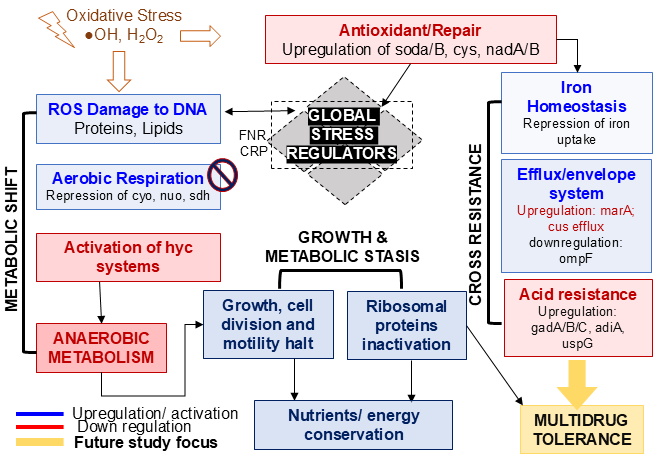
Exposure to oxidative stress—such as sub-lethal concentrations of hydrogen peroxide (H₂O₂) and Fenton oxidation—triggers wide-ranging physiological and genetic adaptations in diverse bacteria. These stressors drive bacteria to develop defense mechanisms impacting antibiotic resistance, metabolism shifts, and biofilm formation.
Important Findings
- Sub-lethal oxidative stress drives robust but nuanced adaptation across pathogenic bacteria, underpinning both short-term physiological changes and long-term evolutionary trajectories.
- Adaptive responses are species-dependent and may either maintain or alter antimicrobial susceptibility, especially under chronic stress.
- Regulatory networks and global gene expression collectively shape a defensive state that facilitates survival, even at the expense of growth, and fosters cross-protection against further environmental stress.
Heavy Metal Pollution Is Altering Soil Bacteria and Boosting Antibiotic Resistance
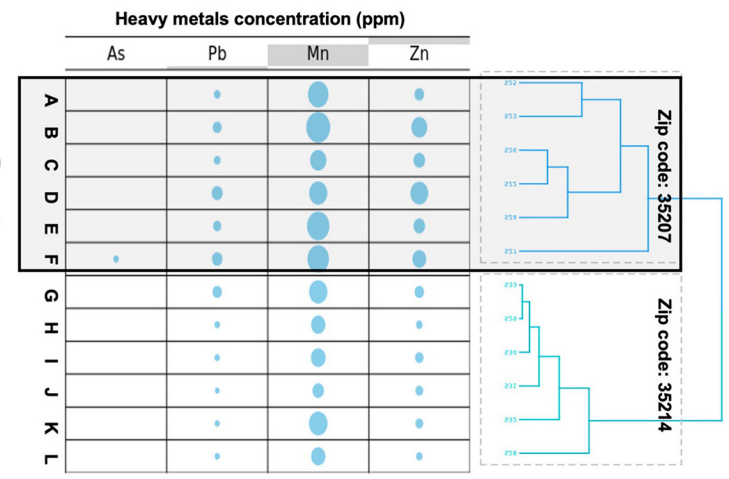
Heavy metal pollution is a silent but serious threat affecting ecosystems and public health, especially in areas like Superfund sites. We explored how contamination by metals such as arsenic, manganese, lead, and zinc is reshaping soil bacterial communities and potentially increasing antimicrobial resistance (AMR) in this urban environment.
Important Findings
Heavy Metal Levels and Soil Microbial Diversity: Soil samples collected from the Superfund site showed elevated levels of certain heavy metals compared to a neighboring reference site. This increase correlated strongly with a significant reduction in bacterial diversity. In other words, heavy metals are pushing some bacteria out while allowing others to dominate, changing the soil ecosystem in fundamental ways.
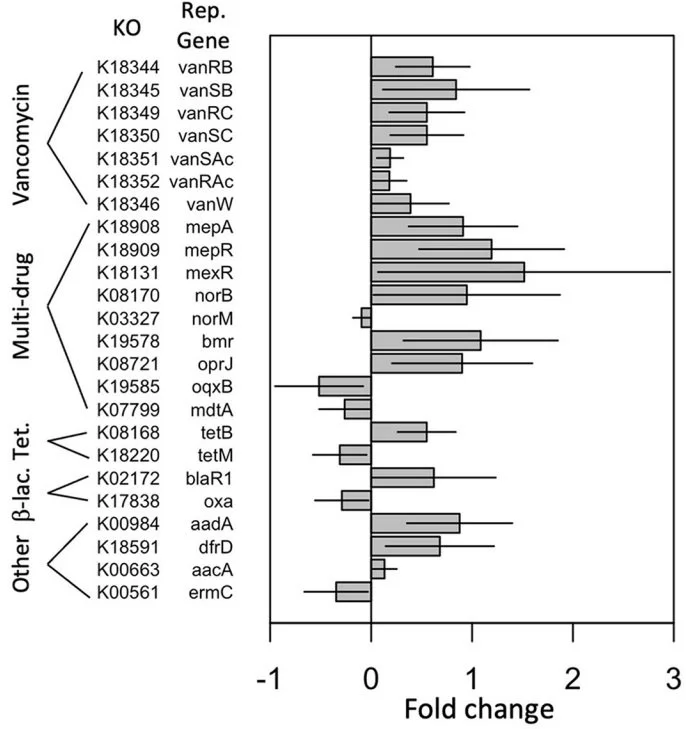
Antimicrobial Resistance Links: Nearly all bacterial isolates displaying resistance to heavy metals also exhibited resistance to antibiotics. This co-resistance suggests that polluted soils can act as reservoirs for bacteria with the potential to spread AMR genes, raising concerns about environmental contributions to the growing global issue of antibiotic resistance.
Microbial Community Restructuring: Study higlighted a distinct shifts in the bacterial community structure between polluted and less contaminated soils. Soil factors like metal concentrations played a crucial role in shaping these microbial patterns more than other factors such as pH.
Predictive Functional Genes: Using metagenome inference tools, the study predicted higher frequencies of genes conferring resistance to a broad range of antibiotics in polluted soils, signaling heightened potential for resistant infections tied to environmental contamination.
Health and Environmental Justice Implications: The findings indicate that communities living near heavy metal-contaminated sites not only face risks from the metals themselves but also from increased exposure to antibiotic-resistant infections. This highlights an urgent environmental justice issue, emphasizing the need for policies that address both pollution cleanup and public health safeguards.
Transforming Toxic Antimicrobials: New Advances in Water Treatment
Highlights The Fenton-Enhanced ZVI system utilizes zero-valent iron and hydrogen peroxide (H2O2) to produce hydroxyl radicals, which are effective at breaking down antimicrobial and other organic contaminants.The structures and environmental relevance of transformed by-products are characterized in the study.Analytical methods employed allowed for detailed tracking of both the disappearance of initial drugs and the formation/removal of transformation products.
Important Findings
- The optimized Fenton/ZVI approach achieved high removal rates for a range of commonly encountered antimicrobials in water samples.
- Several intermediate and end-product transformation compounds were identified, demonstrating that while most byproducts were also degraded and removed, some persistent transformation products require further attention regarding potential toxicity and environmental impact.
- The research provides mechanistic insights suggesting the importance of operation conditions (iron dose, H2O2 concentration, pH) in maximizing contaminant breakdown and reducing harmful byproduct formation.
Water Cleanup: How Zero-Valent Iron improve Advanced Fenton Oxidation to Remove Harmful Micropollutants
Study highlights
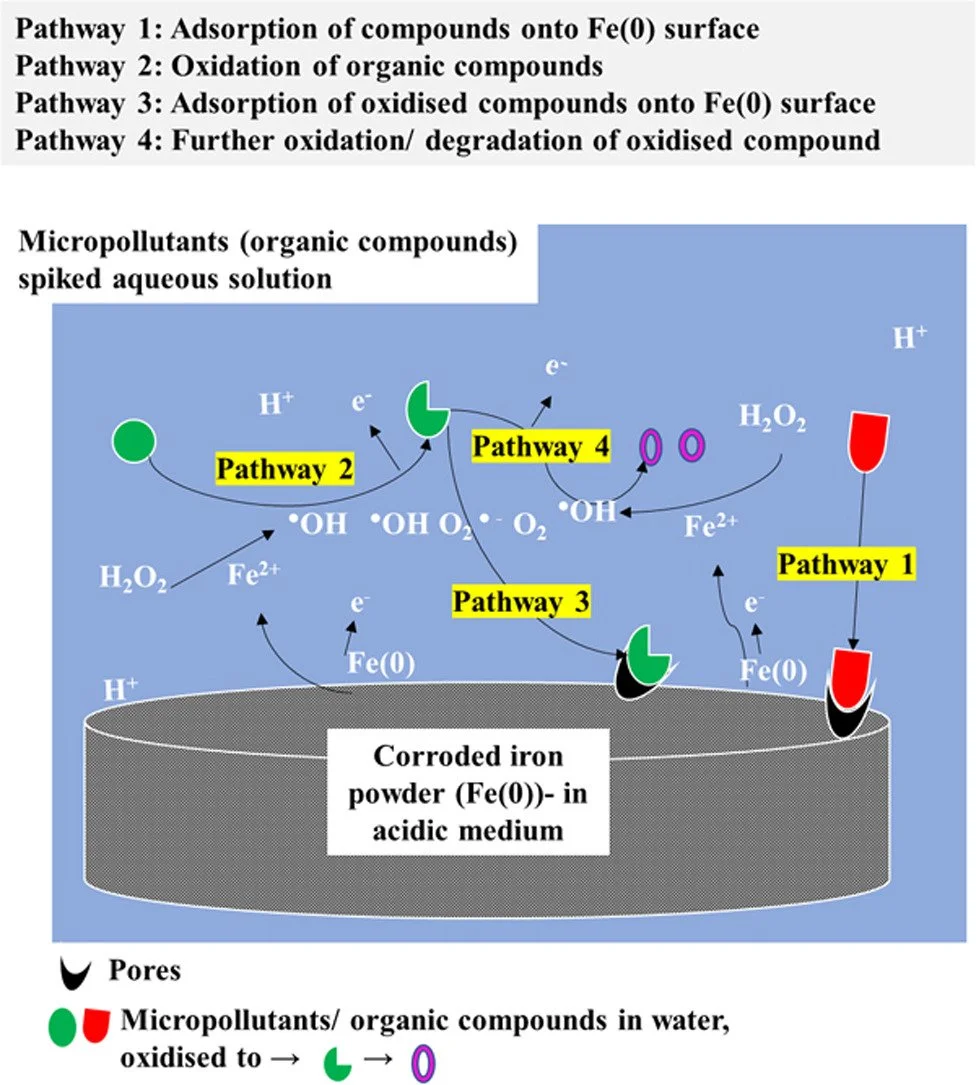
Water contamination by pharmaceuticals and pesticides poses serious environmental and health risks, including promoting antimicrobial resistance. Latest research shows that combining zero-valent iron (Fe(0)) powder with Fenton oxidation—a process that generates powerful hydroxyl radicals (oOH)—provides an efficient and sustainable method to degrade these persistent micropollutants.
- The Fe(0)-catalyzed Fenton process works effectively at mildly acidic pH (~5), optimizing removal of micropollutants like sulfamethoxazole, gabapentin, diuron, and triazine pesticides.
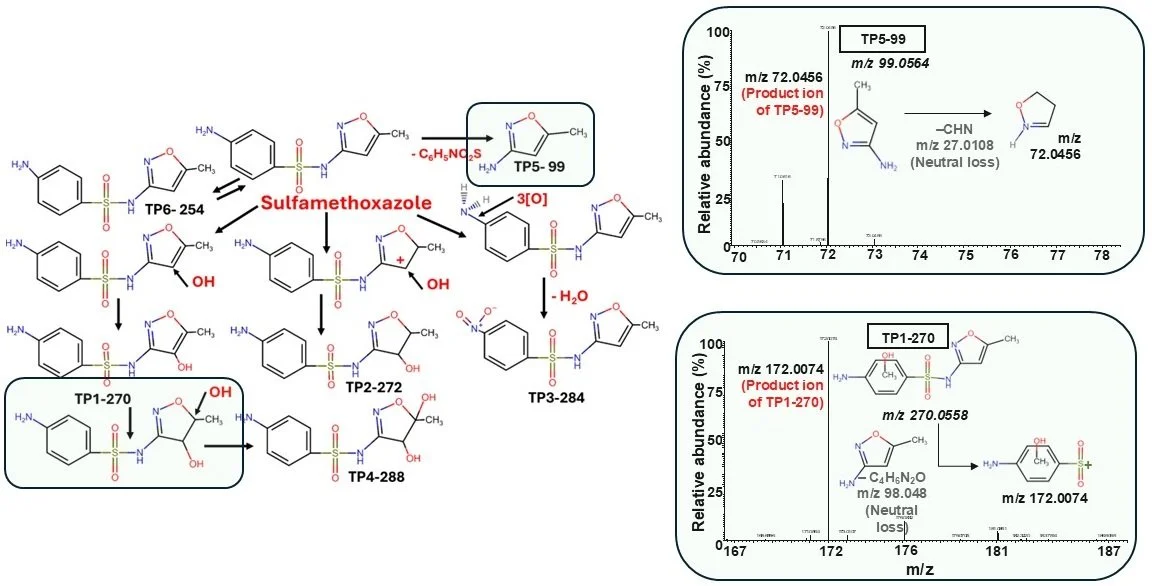
- State-of-the-art mass spectrometry analysis identified 5 to 7 transformation products per micropollutant, with low predicted toxicity. Both parent pollutants and their transformation products were reduced to trace levels within 40–60 minutes of treatment.
- The mechanism involves hydroxyl radicals attacking vulnerable regions of molecules such as aliphatic chains, sulfur-containing groups, and functional groups, leading to pollutant breakdown and mineralization.
- This approach shows better catalyst longevity and reduced sludge generation compared to traditional homogeneous Fenton systems that rely on dissolved iron salts.
- Zero-valent iron not only catalyzes radical formation but also adsorbs and interacts with oxidation by-products, sustaining catalytic performance and minimizing waste.
These findings establish Fe(0)-Fenton oxidation as a promising, green technology capable of efficient water remediation, ensuring the removal of hazardous micropollutants and their less toxic breakdown products.
Related studies
Goswami, A., Jiang, J.-Q., & Petri, M. (2021). Treatability of five micro-pollutants using modified Fenton reaction catalyzed by zero-valent iron powder (Fe(0)). Journal of Environmental Chemical Engineering. doi: 10.1016/j.jece.2021.105393.
Goswami, A., & Jiang, J.-Q. (2019). Comparative Performance of Catalytic Fenton Oxidation with Zero-Valent Iron (Fe(0)) in Comparison with Ferrous Sulphate for the Removal of Micropollutants. Applied Sciences. doi: 10.3390/app9112181.